

Chiari Malformation
A Chiari malformation occurs when a portion of the cerebellum extends downward into the spinal canal, disrupting the normal flow of cerebrospinal fluid (CSF) between the brain and spine. While many people with a Chiari malformation never develop symptoms, others experience headaches, neck pain, neurological symptoms, or the development of a syrinx (a fluid-filled cavity within the spinal cord).

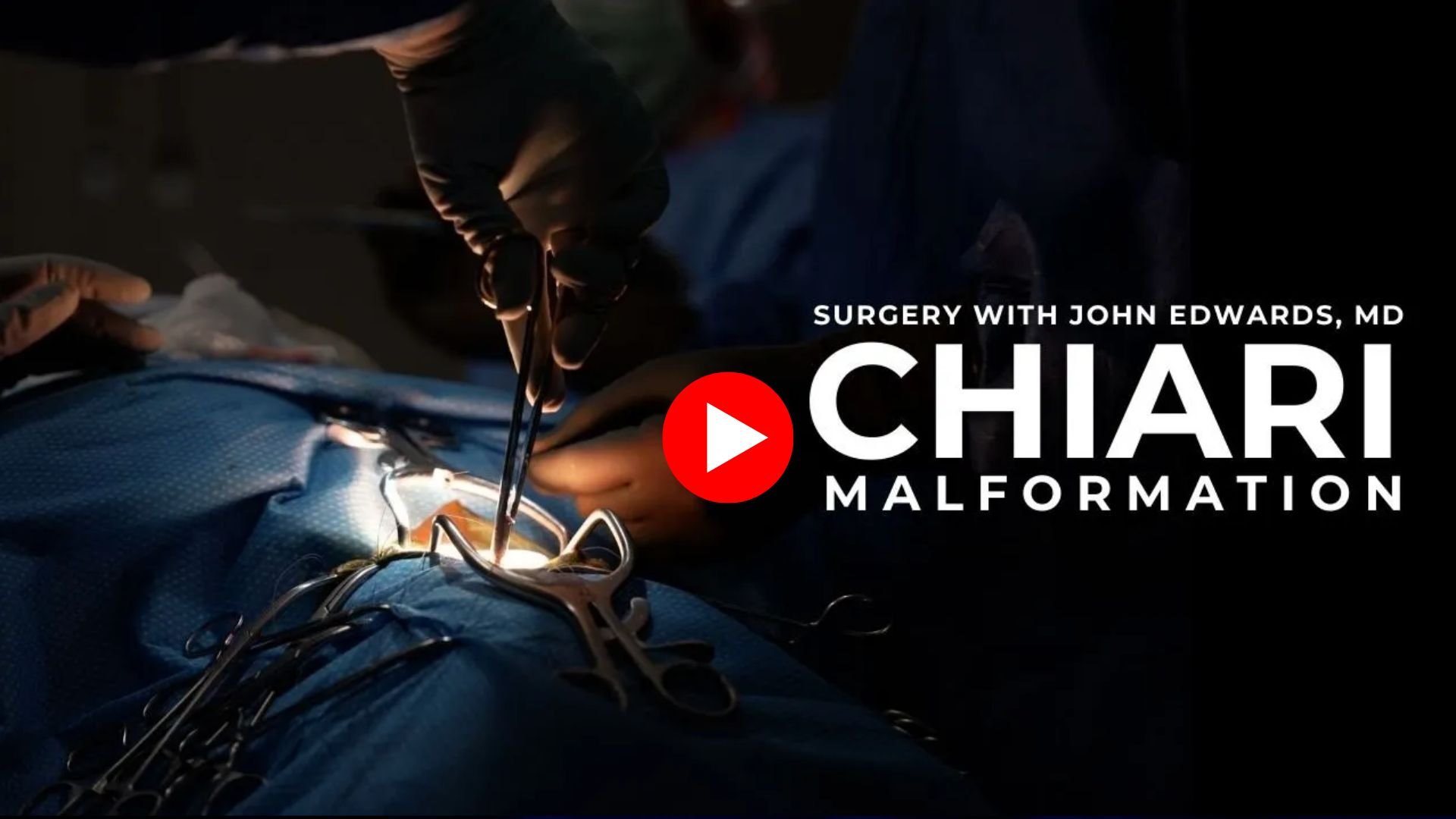
-
Surgery Explained
A Chiari malformation is diagnosed when the lower portion of the cerebellum extends into the spinal canal.
Common symptoms may include:
Headaches, especially with coughing, sneezing, or straining
Neck pain
Ringing in the ears
Vision changes
Numbness or weakness in the arms and hands
Balance or coordination problems
Symptoms related to a syrinx within the spinal cord
Not every patient with a Chiari malformation requires surgery. Treatment decisions are based on symptoms, imaging findings, spinal fluid flow, and overall neurological function.
-
The goal of surgery is to create more space at the base of the skull and restore normal spinal fluid flow.
During surgery:
A small portion of bone is removed from the base of the skull (foramen magnum)
Additional space is created around the brainstem and cerebellum
A patch is often sewn into the protective covering around the brain to enlarge the spinal fluid space
Restoring spinal fluid flow frequently helps improve or stabilize associated syrinxes
The procedure is performed under general anesthesia and typically requires a hospital stay following surgery.
-
Recovery from Chiari decompression surgery is often more demanding than patients expect.
Hospital Recovery
Patients typically remain in the hospital for monitoring and symptom management
First Few Weeks
Headaches are common
Neck pain and muscle stiffness are expected
Nausea and vomiting can occur
Fatigue is common
Long-Term Recovery
Recovery continues over several weeks to months
Gradual increases in activity are encouraged
Ongoing movement, exercise, and strengthening of the neck muscles play an important role in long-term success
Because recovery can be challenging, a strong support system and multidisciplinary care team are important.
-
The goal of surgery is to:
Restore normal spinal fluid flow
Relieve pressure on the brainstem and surrounding structures
Improve symptoms caused by Chiari malformation
Treat or stabilize associated syrinxes
Many patients experience significant improvement in symptoms, though outcomes vary depending on symptom severity, duration, and associated conditions.
-
Before surgery, it is important to ensure that symptoms are truly related to the Chiari malformation.
Additional factors that may influence treatment include:
Connective tissue disorders
Increased intracranial pressure (such as pseudotumor cerebri)
Spinal fluid leaks
Other neurological conditions
Because these issues can mimic or contribute to Chiari symptoms, a thorough evaluation is critical.
Potential surgical risks include:
Infection
Cerebrospinal fluid leak
Wound healing complications
Persistent symptoms
Need for additional treatment
Your surgeon will review your individual risks and expected outcomes before surgery.
ADDITIONAL RESOURCES
-
![]()
Why Ligament Laxity Matters in Chiari Malformation Care
In this spine management video, neurosurgeon Dr. John Edwards explains why assessing ligament laxity is an important part of evaluating patients with Chiari malformatio
-
![]()
Surgical Management of Chiari Malformation: Relieving Pressure, Restoring Function
Dr. John Edwards demonstrates the key steps in the surgical treatment of a Chiari malformation. Discover how this procedure alleviates pressure on the brainstem and spinal cord, restoring normal cerebrospinal fluid flow.
-
![]()
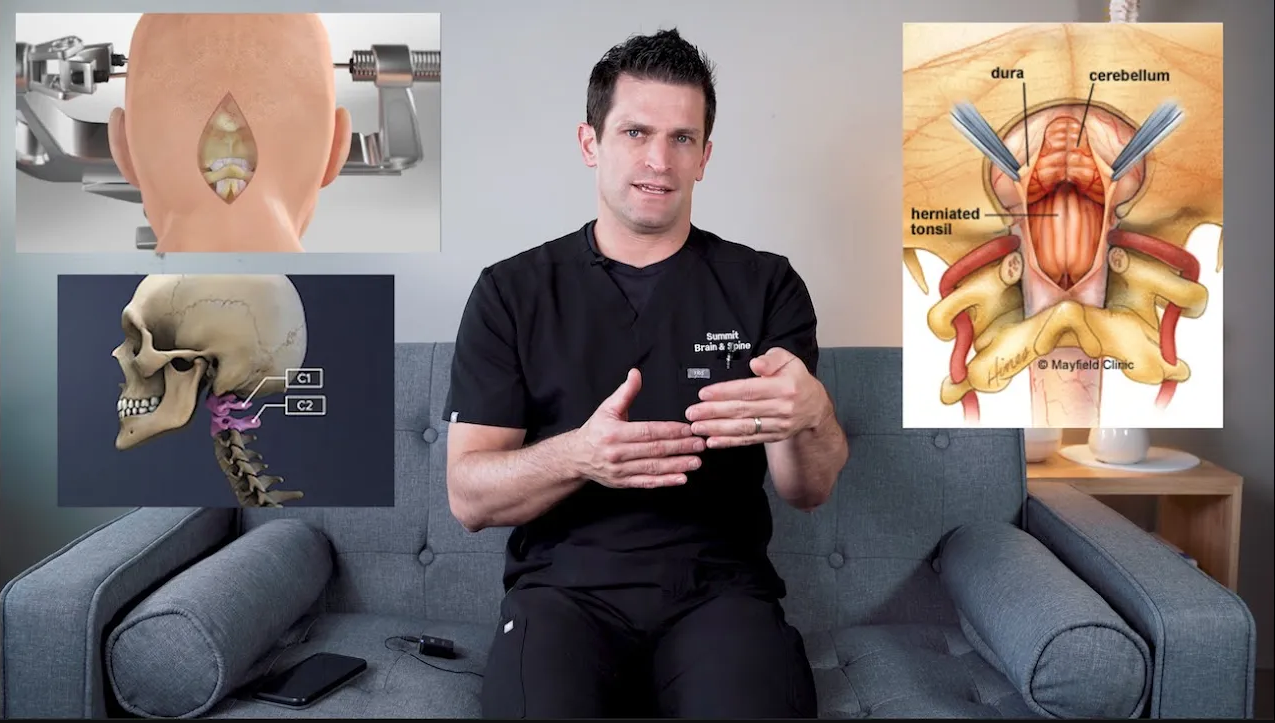
Summit Rounds - Chiari Malformation
Dr. John Edwards presented on Type 1 Chiari Malformations during Summit rounds. He discussed how this condition occurs when brain tissue extends into the spinal canal, often leading to symptoms such as headaches, balance issues, and neurological concerns
-
![]()
Chiari Explained
The goal of Chiari decompression surgery is to relieve pressure, restore spinal fluid flow, and improve quality of life. With the right diagnosis, thoughtful treatment, and ongoing support, many patients are able to return to meaningful activities with fewer symptoms and greater confidence.

Patient Stories
Summit Stories — Sydney
Meet Sydney. She came straight from a college final to her brain surgery. Sydney has Chiari malformation, a condition where part of the brain sits too low in the skull and puts pressure on the brain and spinal cord. We followed her through her surgery journey, from pre-op conversations, surgery day and recovery.