Lateral Interbody Fusion
A lateral interbody fusion is a minimally invasive spine surgery used to treat certain types of spinal instability, deformity, scoliosis, and disc-related conditions. By approaching the spine from the side of the body, surgeons can restore alignment, stabilize the spine, and relieve pressure on nerves while minimizing disruption to muscles and surrounding tissues.
-
A lateral interbody fusion is one of several ways surgeons can access the lumbar spine.
Unlike traditional approaches through the back or front, this procedure approaches the spine from the side. This approach is particularly useful for:
Certain types of scoliosis
Spinal deformity
Spinal misalignment
Conditions requiring restoration of disc height and alignment
The lateral approach provides a unique mechanical advantage that allows surgeons to correct specific spinal problems while using a minimally invasive technique.
-
Lateral interbody fusion is performed under general anesthesia.
During surgery:
A small incision is made in the patient’s side
The abdominal muscles are gently separated rather than cut
The surgeon carefully works around the abdominal contents to reach the spine
The psoas muscle is retracted to access the disc space
The damaged disc is removed
A large interbody cage is placed to restore disc height and alignment
Additional stabilization may be performed depending on the patient’s needs
In some cases:
The surgery is performed as a standalone procedure
It may be combined with a posterior fusion
Multiple levels can be treated during the same operation
Depending on the complexity of the procedure, patients may go home the same day or stay one night in the hospital.
-
Recovery following a lateral interbody fusion is often faster than traditional posterior fusion procedures.
Day of Surgery
Some patients return home the same day
Others stay overnight for observation
First Few Weeks
Walking and light activity are encouraged
Activity is gradually increased as healing progresses
6-8 Weeks
Most patients have resumed many normal daily activities
Continued improvement in strength and mobility is expected
Recovery timelines vary depending on the number of levels treated and whether additional procedures were performed.
-
The goal of lateral interbody fusion is to improve spinal alignment, stabilize the spine, and relieve symptoms caused by instability or deformity.
Potential benefits include:
Improved spinal alignment
Restoration of disc height
Reduced nerve compression
Less muscle disruption than traditional approaches
Reduced blood loss
Faster recovery compared to some posterior fusion techniques
High fusion and healing rates
For appropriately selected patients, this approach can provide significant improvement in pain, function, and quality of life.
-
Every surgery carries risks, though serious complications are uncommon.
Most Common Risk
Temporary nerve irritation
Temporary numbness, weakness, or altered sensation in the leg
Because the procedure is performed near nerves located along the side of the spine, these nerves can occasionally become irritated during surgery.
Rare Risks
Permanent nerve injury
Blood vessel injury
Bowel injury
Ureter injury
These serious complications occur in less than 1% of cases.
ADDITIONAL RESOURCES
-
![]()
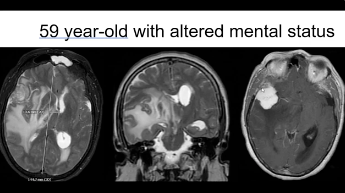
Managing Severe Edema: Lateral Temporal Meningioma Surgery
Explore the surgical strategies used to manage cerebral swelling and remove the tumor, improving patient recovery and neurological function.